How to Plan a Corporate Event
Set a clear goal, choose the right space and run a smooth program.
A corporate event should do a clear job for the company: teach, sell, reward or connect. When the goal is clear, every decision about the room, program and food becomes much simpler.

Step 1
Define the goal and the budget
Write one sentence that explains why the event exists and who it is for. Decide how you will measure success, such as attendance, leads or feedback. Then set the budget and name one person who approves changes.
Tip: Ask leadership to approve the goal before you look at venues.
Step 2
Choose the format and the room
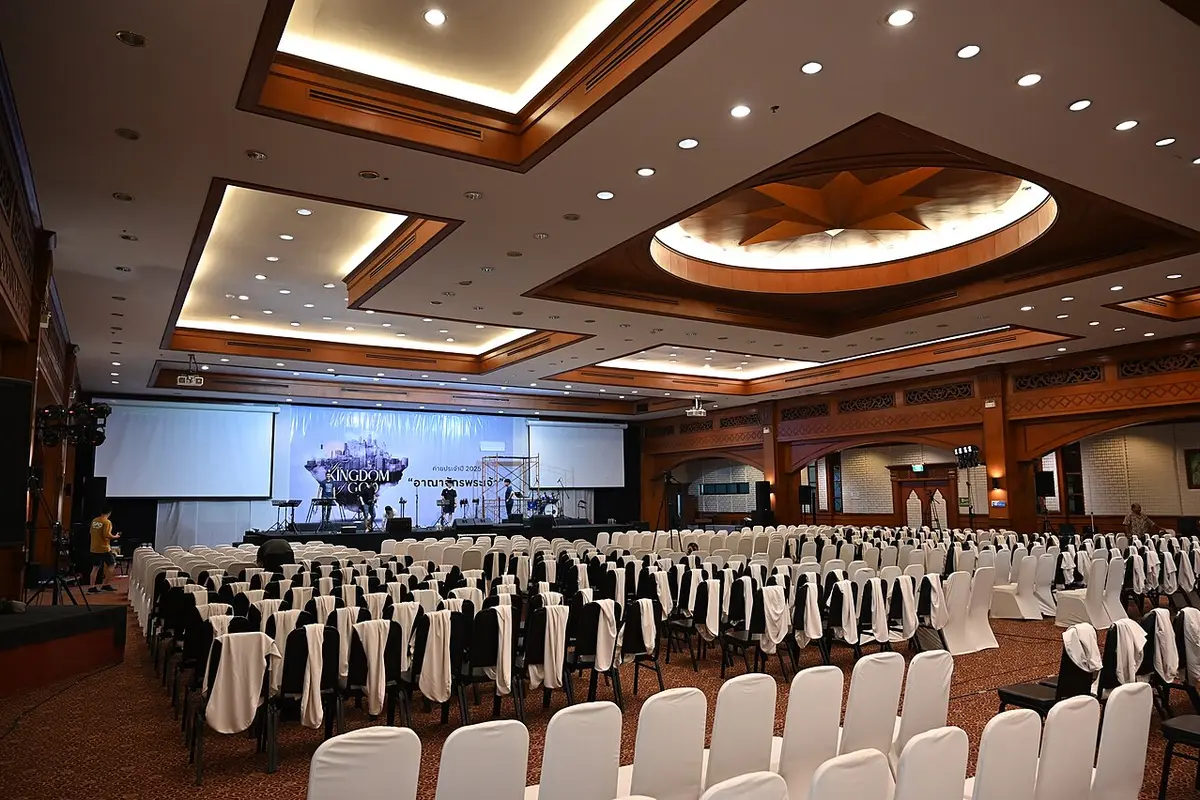
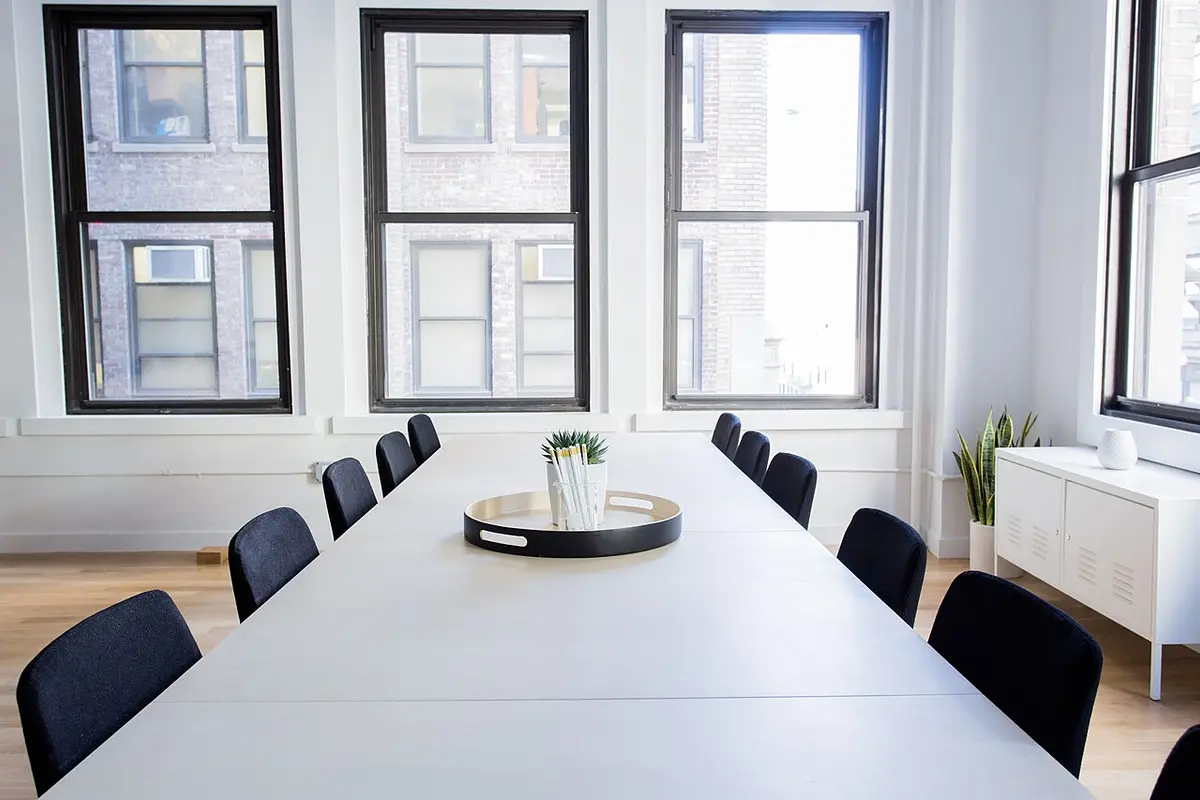
A meeting needs a table for discussion. A training works with classroom seating, and a presentation fits theater style. Pick the format first, then look for a room with good sound, strong internet and easy access.
Tip: Test the internet connection in the actual room.
Step 3
Plan the venue details
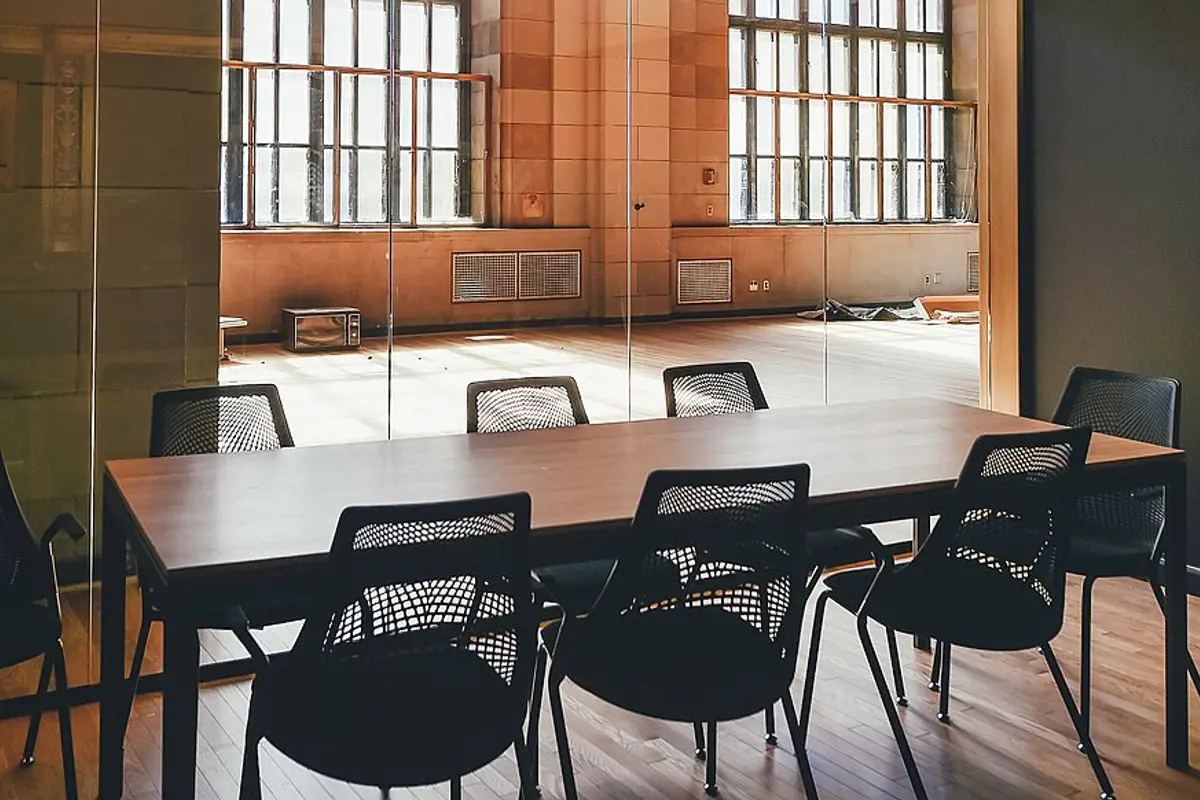
Check parking, public transit, accessibility and nearby hotels for out-of-town guests. Ask who handles the audio and video, and whether you must use the venue's own team. Get the setup and cleanup times in writing.
Tip: Ask for a floor plan with exact measurements.

Step 4
Build the agenda and speakers
Keep sessions short and leave time for questions and breaks. Confirm speakers early, collect slides a week ahead, and hold a technical check on the morning of the event. A named host keeps the room on schedule.
Tip: Plan a break at least every 90 minutes.

Step 5
Arrange food and drinks
Match the food to the time of day: coffee and pastries for the morning, a light lunch so people stay alert, and appetizers for an evening reception. Collect dietary needs when guests register, and label each dish.
Tip: Place coffee away from the doors to avoid a bottleneck.
Step 6
Set up registration and signs
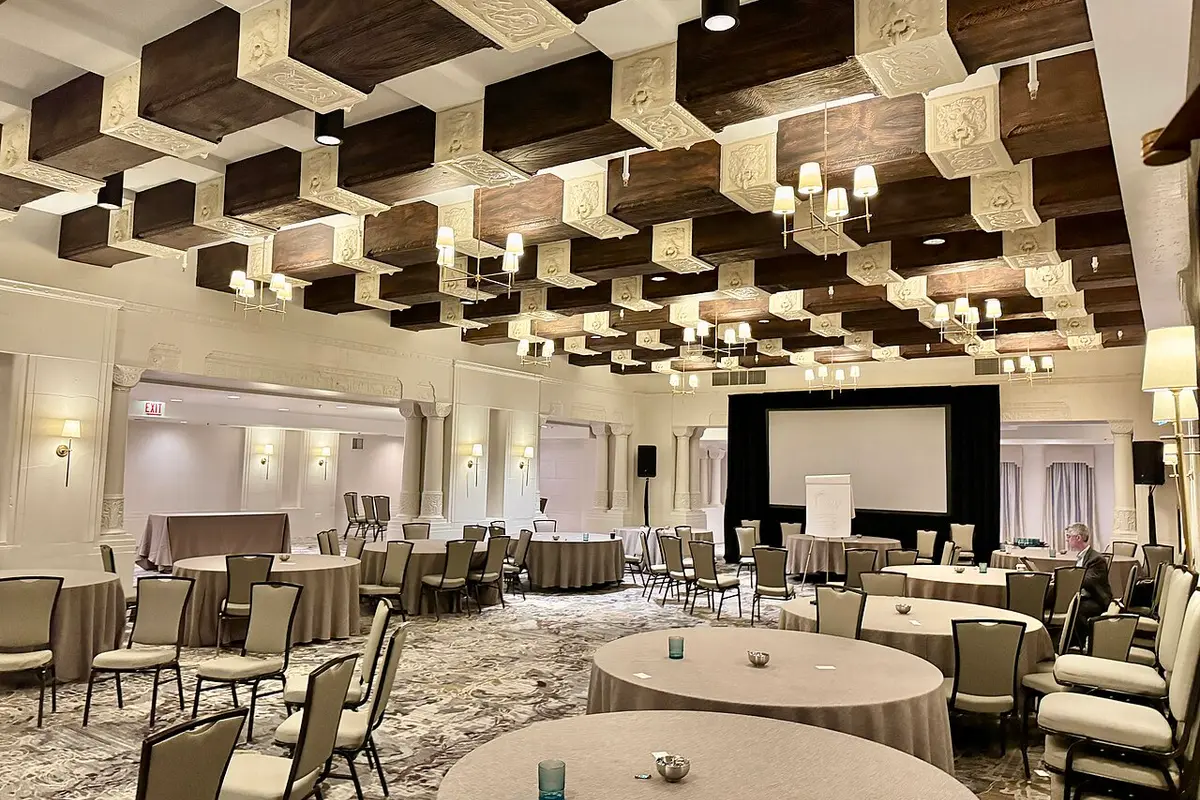
Send a reminder with the address, parking and agenda two days before. On the day, greet guests with a simple check-in, clear signs and name tags. Walk the room an hour before opening to confirm that every table and seat is ready.
Tip: Print a paper backup of the guest list.

Step 7
Follow up after the event
Thank guests within two days and share slides or photos. Send a short survey while the event is fresh, compare the results with your original goal, and write down what to repeat or change next time.
Tip: Keep the survey to five questions or fewer.
Your planning timeline
- 6 months beforeGoal, budget and date
- 4 months beforeVenue and main speakers
- 2 months beforeOpen registration and book catering
- 2 weeks beforeFinal agenda and collect slides
- 2 days beforeSend the reminder and print signs
- After the eventThank guests and send the survey
Common questions
How far in advance should you plan a corporate event?
About four to six months is common for a medium event. Conferences with travel need closer to a year.
What is the best seating for a corporate event?
Use theater seating for presentations, classroom seating for training and round tables when you want guests to talk.
Photo credits
Photos from Wikimedia Commons, cropped and resized.
- PattayaPatrol (CC BY-SA 4.0)
- Lauren Mancke (CC0)
- Breather breather (CC0)
- Crew crew (CC0)
- A S M Jobaer (CC BY-SA 4.0)
- Luis Alvaz (CC BY-SA 4.0)
- w_lemay (CC BY-SA 2.0)
- www.Pixel.la Free Stock Photos (CC0)